Three ways agencies work with us
Most partnerships settle into one of these within a project or two. None of them is better than the others; they suit different situations.
Project delivery
You hand over a brief or a set of designs, we scope it, build it and hand back a finished site. Best when the requirements are clear and you want a fixed number to quote against.
Embedded capacity
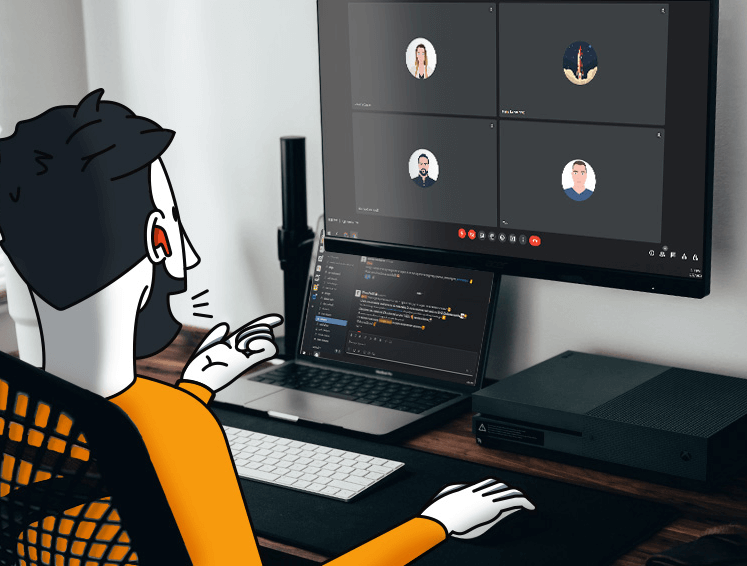
One or more of our developers works inside your process, your board, your standups. Best when you have a team and a backlog longer than the team.
Rescue and maintenance
You inherited something. It half works, nobody documented it, and the previous developer is unreachable. We audit it, tell you honestly whether it is worth saving, and then either fix it or rebuild it.
This is more common than anyone admits, and it is often how a partnership starts.
What a project actually looks like
Discovery. Usually a call and a written summary back to you. The brief you arrive with and the problem you have are rarely identical, and finding that out early is cheaper than finding it out in week six.
Scope and estimate. Written, itemised, with the assumptions stated. If something is genuinely unknowable we say so rather than padding the number.
Build. Something to look at at each stage rather than a long silence and a reveal. You get a staging URL from the first week.
Handover. Code, credentials, deployment notes and a walkthrough. Written so a developer who has never seen it can pick it up, because eventually one will.
What we need from you
Less than you might think, and the projects that go badly are almost always the ones missing one of these.
A named decision-maker on your side. Designs that are final, or explicit permission to make the call ourselves. Access to whatever exists already, including hosting. And an honest deadline rather than a defensive one.
Start a conversation and we will tell you what is missing before you commit to anything.